
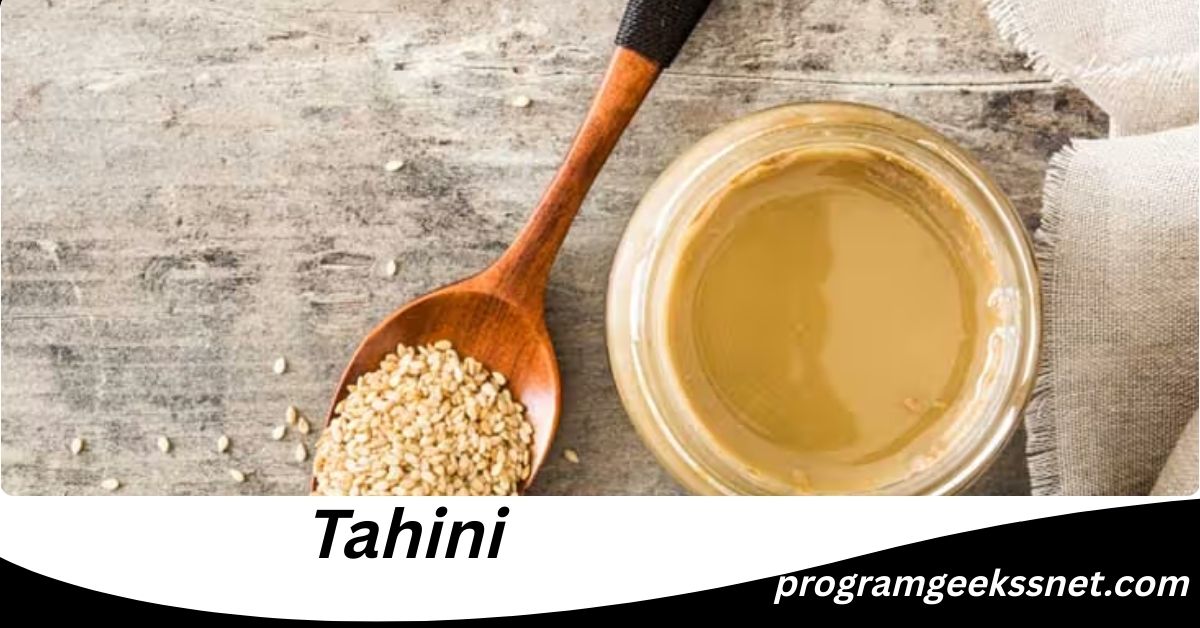
Tahini: A Comprehensive Guide to Its Health Benefits, Uses, and History
Tahini is a delicious and versatile paste made from sesame seeds, often ground into a smooth, creamy consistency. This simple yet flavorful ingredient has been a staple in various cuisines for centuries, especially in the Middle East, Mediterranean, and North Africa. Over time, it has gained widespread popularity in the United States and across the globe for its rich taste and numerous health benefits.
In this guide, we will explore everything you need to know about tahini, from its origins and history to its nutritional value, health benefits, uses in cooking, and much more. Whether you are a seasoned chef or a curious home cook, this article will provide you with valuable insights into tahini and why it should be a part of your pantry.
What is Tahini?
Tahini is a paste made from sesame seeds, typically roasted before being ground into a smooth paste. The seeds are often toasted lightly to release their natural oils, enhancing the flavor and giving the paste a rich, nutty taste. The result is a silky, creamy substance that can be used in a variety of dishes, from dips and dressings to spreads and sauces.
While tahini may seem like a relatively new ingredient in the U.S., it has been used for thousands of years in Middle Eastern and Mediterranean cuisines. Its popularity has surged in recent years due to its inclusion in health-conscious recipes, especially among those following vegan, vegetarian, or gluten-free diets.
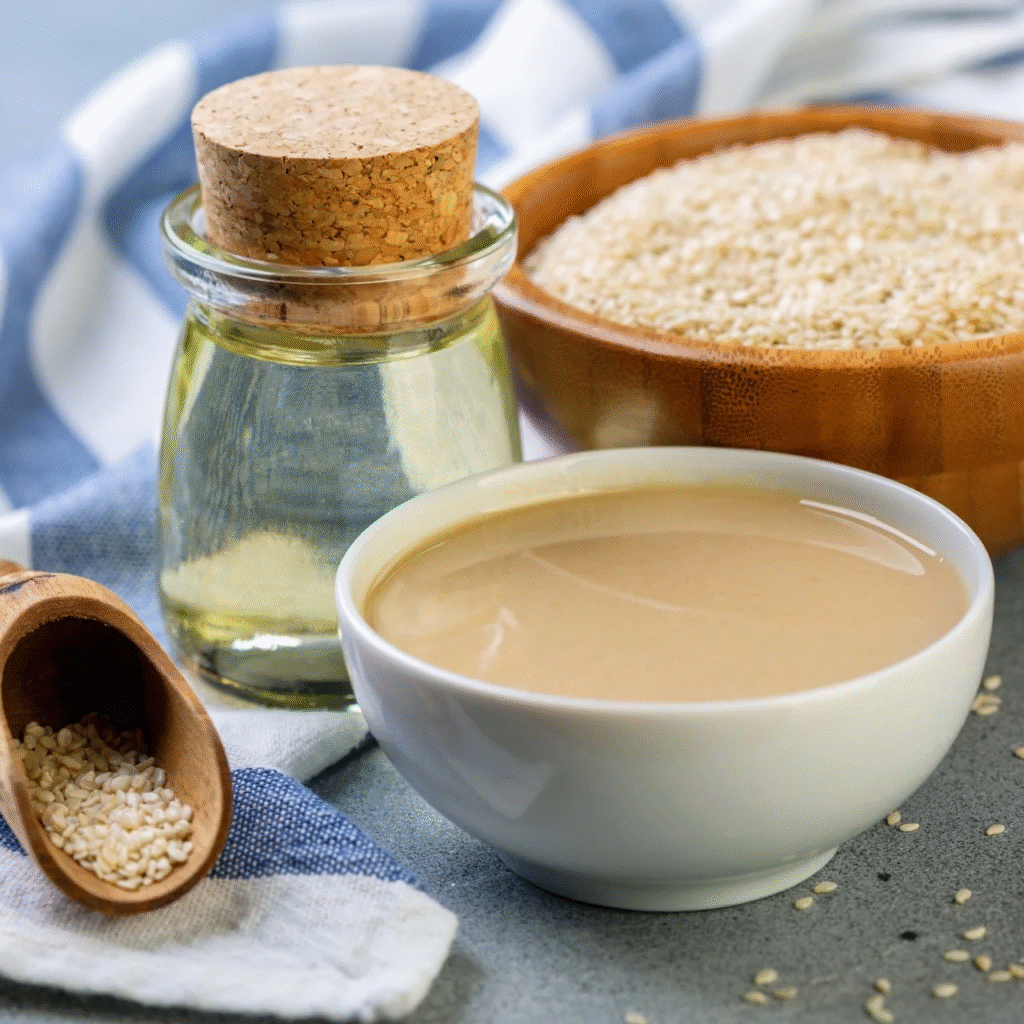
The History of Tahini
Tahini has a long and fascinating history that dates back to ancient times. It is believed to have originated in the Middle East, with references to sesame paste found in early Mesopotamian texts. The earliest known evidence of tahini’s use can be traced back to around 2,500 years ago in the ancient civilizations of the Sumerians and Babylonians.
In ancient times, sesame seeds were prized for their oil, which was used for cooking, medicinal purposes, and as a base for cosmetics. The paste made from ground sesame seeds, or tahini, became an important ingredient in the diets of people in the Mediterranean, the Middle East, and parts of North Africa.
Over the centuries, tahini spread to various parts of the world, becoming a key component in diverse cuisines. Today, it is widely used in dishes from hummus to tahini sauce and beyond, making it a global culinary favorite.
How is Tahini Made?
The process of making tahini is surprisingly simple. Sesame seeds are roasted or toasted lightly to enhance their natural flavors. Once roasted, the seeds are ground into a paste, and the oil from the seeds is released, giving tahini its smooth and creamy texture. The resulting paste may have a slightly grainy texture, depending on the method of grinding.
Also Read: programgeeks.net/ – Everything You Need to Know
Some brands may add a small amount of salt or oil to enhance the taste and consistency of the tahini, but high-quality tahini is often made without any additives, relying solely on the natural flavor of the sesame seeds.
Tahini’s Nutritional Profile
Tahini is a highly nutritious ingredient, packed with essential vitamins, minerals, and healthy fats. Here are some key nutritional highlights of tahini:
- High in Healthy Fats: Tahini is rich in monounsaturated and polyunsaturated fats, which are heart-healthy fats known to lower bad cholesterol levels and support overall cardiovascular health.
- Rich in Protein: Tahini is a good source of plant-based protein, making it an excellent option for vegans, vegetarians, and anyone looking to increase their protein intake.
- Packed with Minerals: Tahini is an excellent source of essential minerals such as calcium, magnesium, iron, and phosphorus, which are important for bone health, energy production, and muscle function.
- Vitamins: It contains B vitamins like thiamine, niacin, and B6, which are essential for metabolism, brain function, and maintaining healthy skin.
- Fiber: Tahini contains a significant amount of dietary fiber, which supports digestive health and helps maintain a healthy gut.
With its rich nutritional profile, tahini provides a wide range of health benefits that go beyond its delicious taste.
Health Benefits of Tahini
Tahini offers several impressive health benefits due to its high content of healthy fats, protein, and essential minerals. Here are some of the most notable health benefits of consuming tahini:
1. Supports Heart Health
Tahini is rich in monounsaturated fats, which are known to improve heart health by reducing LDL (bad) cholesterol levels. Additionally, the presence of omega-3 fatty acids in tahini helps to reduce inflammation and supports the overall health of the cardiovascular system.
2. Boosts Bone Health
Tahini is an excellent source of calcium, which is vital for maintaining strong bones and preventing conditions like osteoporosis. It also contains magnesium, a mineral that plays a crucial role in bone health by helping to regulate calcium levels in the body.
3. Promotes Healthy Digestion
The dietary fiber in tahini helps regulate bowel movements and promotes a healthy digestive system. Fiber is also important for maintaining a healthy gut microbiome, which is essential for overall health and well-being.
4. Helps Manage Blood Sugar Levels
Tahini has a low glycemic index, meaning it does not cause rapid spikes in blood sugar levels. The healthy fats and fiber in tahini help slow the absorption of sugar into the bloodstream, making it a good choice for individuals with diabetes or those looking to stabilize their blood sugar levels.
Also Read: ProgramGeeks. net: A Leading Resource for Tech Enthusiasts
5. Rich in Antioxidants
Tahini contains several powerful antioxidants, including sesamin and sesamolin, which have been shown to protect against oxidative stress and reduce the risk of chronic diseases such as cancer and heart disease.
6. Supports Skin Health
The vitamins and minerals in tahini, including vitamin E and zinc, help support healthy skin by promoting cell regeneration and protecting against sun damage. Regular consumption of tahini may contribute to a more youthful complexion and improved skin elasticity.
How to Use Tahini in Cooking
Tahini is incredibly versatile and can be used in a wide range of dishes. Here are some common ways to incorporate tahini into your meals:
1. Hummus
One of the most popular uses for tahini is in hummus. This creamy dip is made by blending tahini with chickpeas, garlic, lemon juice, olive oil, and spices. It’s a great snack for pairing with pita bread, crackers, or vegetables.
2. Salad Dressings
Tahini can be used as a base for delicious and creamy salad dressings. Simply combine tahini with lemon juice, olive oil, garlic, and a pinch of salt to create a rich dressing for leafy greens or roasted vegetables.
3. Smoothies
For a protein-packed smoothie, add a spoonful of tahini to your favorite blend of fruits, vegetables, and plant-based milk. The nutty flavor of tahini adds depth to the smoothie, making it more filling and satisfying.
4. Tahini Sauce
Tahini can be turned into a savory sauce by mixing it with water, lemon juice, garlic, and salt. This sauce is perfect for drizzling over roasted vegetables, falafel, or grilled meats.
5. Baked Goods
Tahini can also be used in baking. You can add it to cookies, muffins, or cakes for a rich, nutty flavor. It pairs especially well with chocolate and honey in dessert recipes.
6. Spread on Toast
Tahini makes a delicious spread for toast. You can combine it with honey, jam, or fruit for a quick and nutritious breakfast or snack.
Tahini vs. Other Nut Butters
While tahini is similar to other nut butters, such as peanut butter or almond butter, there are a few key differences that set it apart. For one, tahini is made from sesame seeds, which have a unique flavor profile that is nuttier and slightly more bitter than other nut butters.
In terms of nutrition, tahini is a great alternative for those with nut allergies or anyone looking to diversify their sources of healthy fats. It is also lower in sugar compared to some nut butters, making it a better option for those watching their sugar intake.
Common Misconceptions About Tahini
Despite its growing popularity, there are still some misconceptions about tahini. Let’s take a look at some of them:
1. Tahini is Just for Middle Eastern Cuisine
While tahini is a key ingredient in Middle Eastern cuisine, it is not limited to this region. Tahini is used in many different cuisines, including Mediterranean, North African, and even in Western dishes like smoothies and baked goods.
2. Tahini is High in Calories and Should Be Avoided
Tahini is calorie-dense due to its high fat content, but it is important to remember that the fats in tahini are healthy fats, such as monounsaturated and polyunsaturated fats. When consumed in moderation, tahini can be part of a balanced diet.
3. Tahini is Difficult to Find
Tahini has become increasingly available in grocery stores across the U.S., especially in health food stores and international markets. You can also find tahini online from a variety of sellers, making it accessible to most people.
Frequently Asked Questions (FAQs) About Tahini
1. Is tahini good for weight loss?
Tahini is high in healthy fats, but it can still be part of a weight-loss diet when consumed in moderation. Its healthy fats and fiber content help keep you feeling full and satisfied, which can prevent overeating.
2. How long does tahini last?
Tahini has a long shelf life and can last for several months when stored in a cool, dark place. If stored properly, it may last up to 6 months or more. Once opened, it should be refrigerated to maintain freshness.
3. Is tahini gluten-free?
Yes, tahini is naturally gluten-free, making it a great option for those with gluten sensitivities or celiac disease.
4. Can I use tahini as a dairy substitute?
Tahini can be a good substitute for dairy in many recipes, especially in sauces, dressings, and smoothies. Its creamy texture makes it a suitable replacement for cream or yogurt.
5. What’s the difference between tahini and sesame paste?
Tahini and sesame paste are essentially the same thing. The terms are often used interchangeably, but some people may refer to sesame paste as a less processed version of tahini.
Conclusion
Tahini is a versatile, nutrient-packed ingredient that has stood the test of time, evolving from a staple in Middle Eastern cuisine to a globally loved addition to various dishes. Its rich history, combined with its impressive nutritional profile, makes tahini not only a delicious ingredient but also a beneficial one for overall health. From supporting heart health to promoting strong bones and aiding digestion, tahini provides a wealth of health benefits.
As we’ve explored, tahini can be used in countless ways, whether it’s the base for hummus, a creamy addition to salad dressings, or a sweet spread on toast. Its versatility in the kitchen makes it a must-have pantry item for anyone seeking to enhance their cooking with nutritious, flavorful ingredients.
Despite common misconceptions, tahini is accessible and easy to incorporate into a balanced diet. Whether you’re vegan, gluten-free, or just someone looking to enjoy a flavorful and health-conscious ingredient, tahini is a valuable addition to your meals. With its unique nutty flavor and numerous benefits, tahini is more than just a culinary delight—it’s a powerhouse ingredient that deserves a place in kitchens around the world.
So, the next time you’re in the kitchen, consider adding tahini to your recipes and experience the richness it brings to your meals, both in taste and in health.
editor's pick
latest video

news via inbox
Nulla turp dis cursus. Integer liberos euismod pretium faucibua