What Is Robotics? A Complete Beginner’s Guide to Robotics in 2026
Robotics is one of the fastest-growing technologies in the world today. From smart vacuum cleaners in homes to robots used in hospitals, factories, and space missions, robotics is changing the way people live and work.
So, what is robotics?
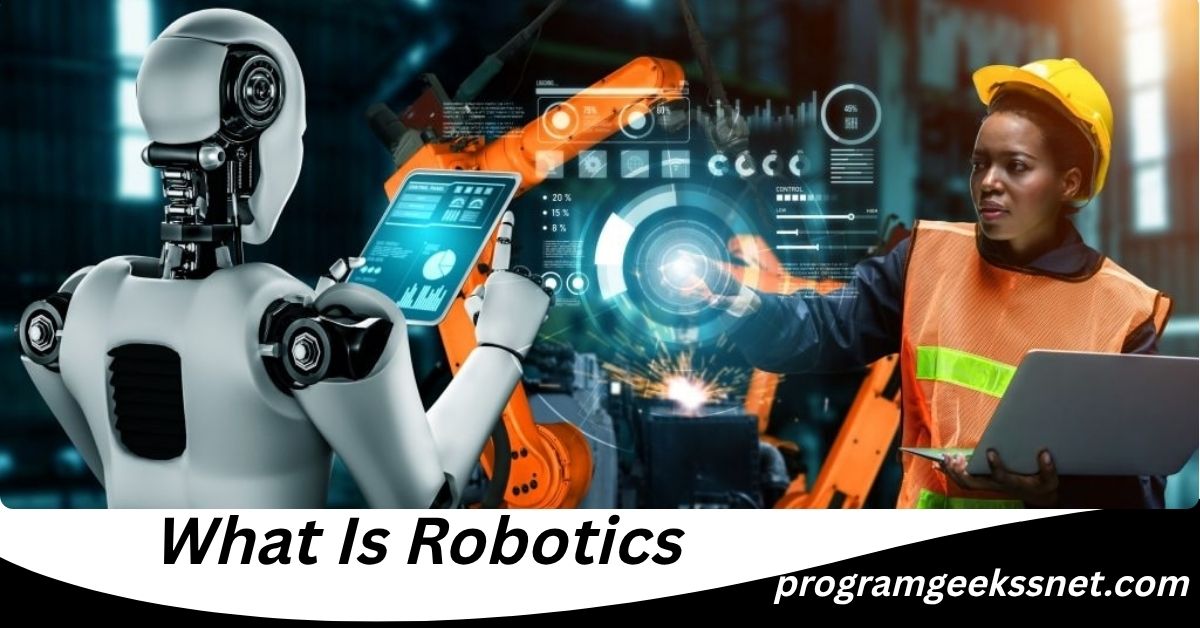
Robotics is a branch of technology that combines computer science, engineering, electronics, and artificial intelligence to design, build, and operate robots. These robots are programmed to perform tasks automatically or with very little human help.
Many people think robots only exist in science fiction movies. In reality, robotics is already part of everyday life. Businesses use robots to improve speed and accuracy. Doctors use robotic systems during surgeries. Farmers use robots to monitor crops. Even schools now teach robotics to help students prepare for future careers.
Understanding what is robotics is important because robotics will continue to shape industries, jobs, education, healthcare, transportation, and daily living over the next decade.
This guide explains everything in simple language so beginners can fully understand robotics, how robots work, different types of robots, benefits, challenges, applications, future trends, and more.
What Is Robotics?
Robotics is the science and technology of creating machines called robots that can perform tasks automatically. These tasks may be physical, digital, or a combination of both.
A robot is usually designed to complete work that may be difficult, dangerous, repetitive, or time-consuming for humans.
In simple words, robotics focuses on:
- Designing robots
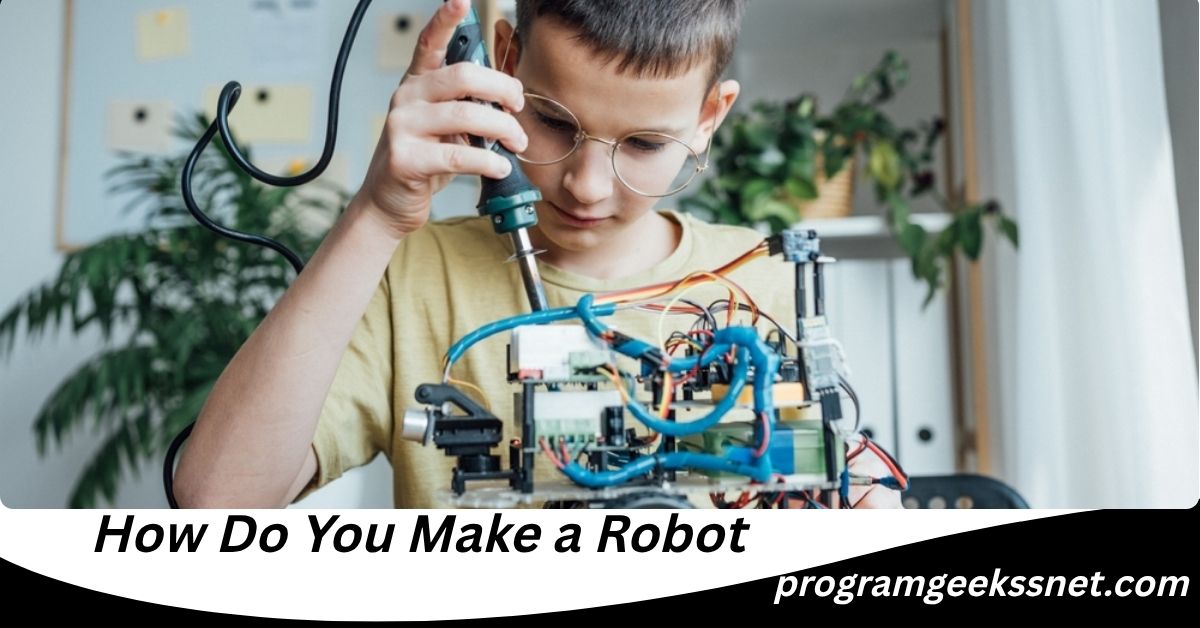
- Building robots
- Programming robots
- Operating robots
- Improving robot intelligence
Robotics combines several fields together, including:
- Mechanical engineering
- Electrical engineering
- Computer programming
- Artificial intelligence
- Machine learning
- Sensor technology
Modern robotics is no longer limited to factories. Robots are now used in healthcare, military operations, customer service, agriculture, logistics, education, entertainment, and home automation.
The main goal of robotics is to create machines that can assist humans, increase efficiency, reduce errors, and improve safety.
What Is a Robot?
Before understanding robotics deeply, it is important to answer another common question: what is a robot?
A robot is a programmable machine that can carry out actions automatically. Robots can follow instructions, make decisions based on data, and interact with their surroundings using sensors and software.
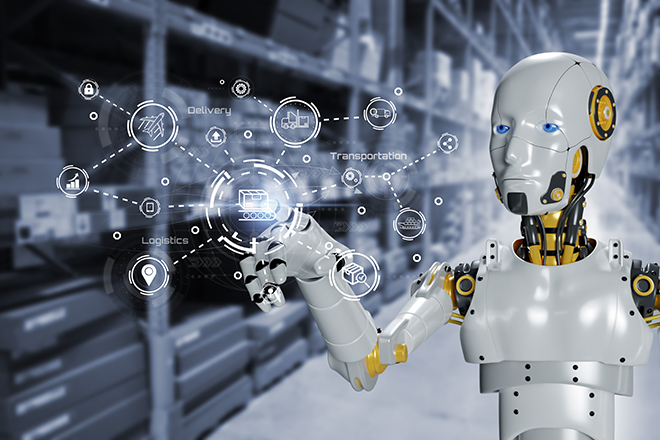
Some robots look human-like, while others are simply machines with robotic arms or wheels.
A robot normally includes:
- Sensors to collect information
- A control system or computer brain
- Motors or actuators for movement
- Software for decision-making
- Power supply
Examples of robots include:
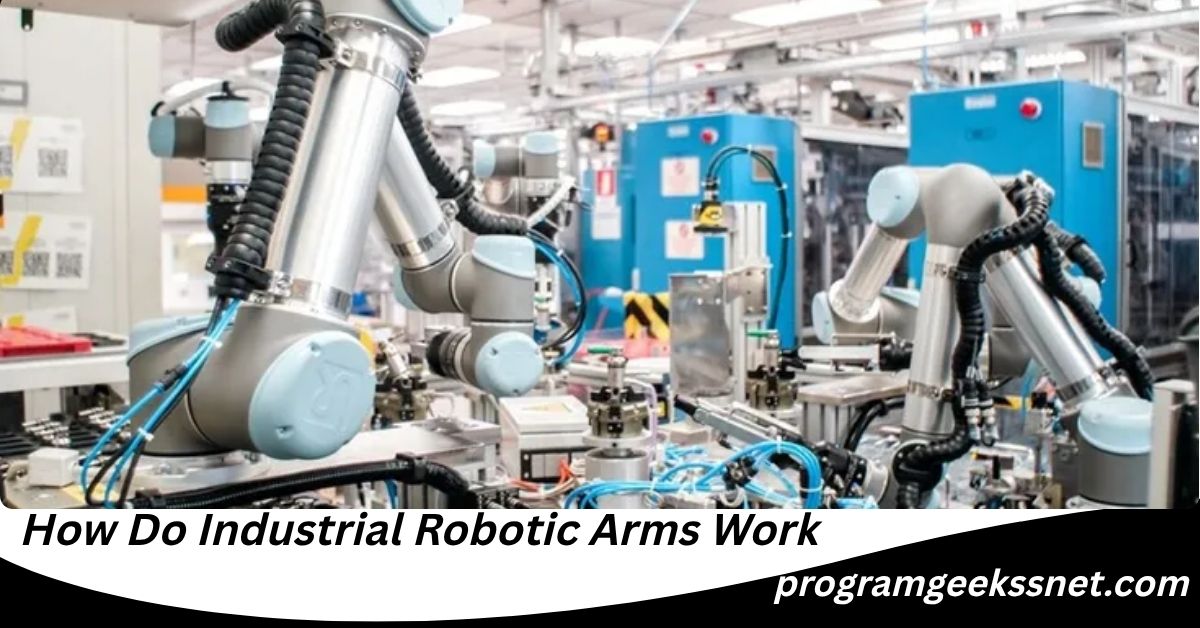
- Industrial robotic arms
- Self-driving cars
- Drone delivery systems
- Surgical robots
- Cleaning robots
- Humanoid robots
- Warehouse robots
Robots can either work independently or with human supervision.
History of Robotics
The history of robotics goes back much further than many people realize.
Early Mechanical Devices
Ancient civilizations created simple automatic machines powered by water or gears. These early inventions were not modern robots, but they inspired future robotics development.
The First Industrial Robots
Modern robotics began in the 20th century.
In 1961, the first industrial robot called Unimate was used in a General Motors factory. It helped move heavy metal parts safely and efficiently.
This changed manufacturing forever.
Growth of Robotics in the 1980s and 1990s
As computers became more advanced, robotics improved rapidly. Factories started using robots for welding, painting, packaging, and assembly work.
Robotics in the Modern Era
Today, robotics includes artificial intelligence, machine learning, and automation. Robots can now recognize objects, understand speech, analyze data, and even learn from experience.
Also Read: Where to Watch The Wild Robot: Streaming, Rental, and Viewing Guide for Fans
Modern robotics is entering homes, hospitals, airports, restaurants, and schools worldwide.
How Robotics Works
To understand what is robotics, you must understand how robots function.
Most robotic systems work through a combination of hardware and software.
Sensors
Sensors help robots understand their environment.
Examples include:
- Cameras
- Infrared sensors
- Temperature sensors
- Motion detectors
- GPS systems
- Touch sensors
Sensors collect information and send it to the robot’s control system.
Control System
The control system acts like the robot’s brain. It processes information from sensors and decides what action to take.
Modern robots often use artificial intelligence to make smarter decisions.
Actuators and Motors
Motors help robots move. Actuators convert energy into movement.
These components allow robots to:
- Walk
- Lift objects
- Rotate
- Grab items
- Drive
Programming
Programming tells robots what to do.
Robots follow instructions written in programming languages like:
- Python
- C++
- Java
- ROS (Robot Operating System)
Advanced robots may also use machine learning algorithms to improve performance over time.
Main Types of Robotics
There are many types of robotics systems used across industries.
Industrial Robotics
Industrial robots are used in factories and manufacturing plants.
They perform tasks like:
- Welding
- Packaging
- Painting
- Product assembly
- Material handling
Industrial robotics increases speed, precision, and productivity.
Service Robotics
Service robots help humans in daily activities.
Examples include:
- Cleaning robots
- Hotel robots
- Food delivery robots
- Customer service robots
Service robotics is growing quickly in the hospitality and retail industries.
Medical Robotics
Medical robots assist healthcare professionals.
Examples include:
- Surgical robots
- Rehabilitation robots
- Robotic prosthetics
- Hospital delivery robots
Medical robotics improves precision and patient care.
Military Robotics
Military robots are used for dangerous missions.
Examples include:
- Bomb disposal robots
- Surveillance drones
- Autonomous vehicles
These robots reduce risks for soldiers.
Educational Robotics
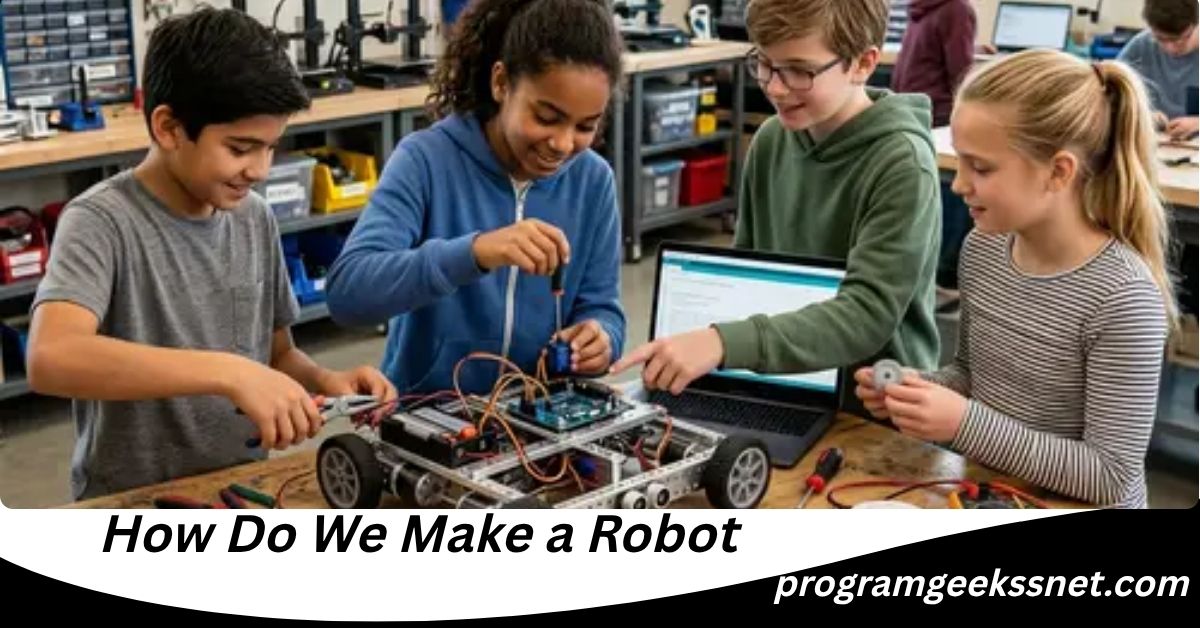
Educational robots help students learn programming, engineering, and problem-solving skills.
Schools use robotics kits to teach STEM education.
Humanoid Robotics
Humanoid robots are designed to look and act like humans.
These robots can:
- Walk
- Talk
- Recognize faces
- Interact socially
Humanoid robotics is still developing but advancing rapidly.
Why Robotics Is Important
Robotics is important because it solves real-world problems and improves efficiency.
Increased Productivity
Robots can work continuously without fatigue. This allows businesses to produce more goods faster.
Improved Safety
Robots can perform dangerous jobs that may harm humans.
Examples include:
- Mining
- Bomb disposal
- Toxic chemical handling
- Deep-sea exploration
Better Accuracy
Robots can perform tasks with high precision and fewer mistakes.
This is especially important in:
- Surgery
- Electronics manufacturing
- Pharmaceutical production
Cost Savings
Although robots can be expensive initially, businesses save money over time through automation and efficiency.
Support for Aging Populations
Some countries use robotics to assist elderly people with daily activities and healthcare monitoring.
Robotics and Artificial Intelligence
Robotics and artificial intelligence are closely connected.
Artificial intelligence allows robots to:
- Learn from data
- Recognize speech
- Understand images
- Make decisions
- Adapt to changes
Without AI, most robots can only follow fixed instructions.
With AI, robots become smarter and more flexible.
Examples of AI robotics include:
- Self-driving cars
- Smart assistants
- AI-powered drones
- Autonomous warehouse robots
The combination of AI and robotics is creating major technological breakthroughs.
What Is Robotic Process Automation?
Another important topic related to robotics is robotic process automation.
So, what is robotic process automation?
Robotic Process Automation, also called RPA, uses software robots to automate digital tasks.
Unlike physical robots, RPA bots work inside computers and software systems.
RPA can automate tasks like:
- Data entry
- Invoice processing
- Customer support
- Email handling
- Report generation
Businesses use robotic process automation to reduce repetitive office work.
Benefits of Robotic Process Automation
- Faster operations
- Reduced human errors
- Lower costs
- Better productivity
- Improved customer service
RPA is becoming popular in banking, healthcare, insurance, and finance industries.
What Is a Bio Mechanical Robot?
Many people also ask: what is a bio mechanical robot?
A bio mechanical robot is a robot designed using principles inspired by biological systems like humans or animals.
These robots often copy natural movement and behavior.
Examples include:
- Robotic prosthetic limbs
- Exoskeleton suits
- Robotic insects
- Animal-inspired robots
Bio mechanical robotics is important in healthcare and rehabilitation.
Scientists study human muscles, bones, and movement to create more natural robotic systems.
This field is growing rapidly due to advances in artificial intelligence, sensors, and medical engineering.
What Is Robots.txt?
Another commonly searched term is what is robots.txt.
Although it sounds related to physical robots, robots.txt is actually related to websites and search engines.
A robots.txt file tells search engine bots which pages on a website they can or cannot access.
Website owners use robots.txt to control search engine crawling.
For example, robots.txt can:
- Block private pages
- Prevent duplicate content indexing
- Improve website SEO management
Robots.txt is important in technical SEO and website optimization.
It is not related to physical robotics, but the term includes the word “robot,” which often causes confusion.
Real-World Applications of Robotics
Robotics is now used in almost every major industry.
Robotics in Healthcare
Healthcare robotics helps doctors and nurses provide better treatment.
Applications include:
- Robotic surgery
- Rehabilitation devices
- Patient monitoring
- Medicine delivery robots
Robotic surgery allows doctors to perform highly precise procedures.
Also Read: Will Smith Robot Movie: The Complete Guide to I, Robot and Why It Still Matters Today
Robotics in Manufacturing
Manufacturing is one of the largest users of robotics.
Robots handle:
- Assembly lines
- Packaging
- Welding
- Quality inspections
This improves production speed and consistency.
Robotics in Agriculture
Agricultural robotics helps farmers increase crop production.
Examples include:
- Autonomous tractors
- Crop monitoring drones
- Robotic harvesters
These technologies help reduce labor shortages.
Robotics in Transportation
Transportation robotics includes:
- Self-driving vehicles
- Delivery drones
- Autonomous trucks
These systems aim to improve safety and reduce transportation costs.
Robotics in Retail
Retail companies use robots for:
- Inventory management
- Customer assistance
- Warehouse automation
Large online retailers rely heavily on robotic systems.
Robotics in Space Exploration
Space agencies use robotics for missions where humans cannot easily travel.
Examples include:
- Mars rovers
- Satellite repair robots
- Space station robotic arms
Robotics makes space exploration safer and more efficient.
Advantages of Robotics
Robotics offers many important advantages.
Robots Can Work 24/7
Unlike humans, robots do not need sleep or breaks.
Improved Quality
Robots can perform repetitive tasks with consistent accuracy.
Faster Production
Automation increases manufacturing speed.
Reduced Workplace Injuries
Dangerous tasks can be handled by robots instead of humans.
Better Data Collection
Smart robots can collect and analyze information in real time.
Challenges and Disadvantages of Robotics
Although robotics provides many benefits, there are also challenges.
High Costs
Building and maintaining robots can be expensive.
Job Displacement
Automation may replace some human jobs.
However, robotics also creates new careers in engineering, programming, maintenance, and AI development.
Technical Problems
Robots depend on software and hardware systems that may fail.
Security Risks
Connected robots may face cybersecurity threats.
Ethical Concerns
Some people worry about excessive automation and AI decision-making.
Governments and organizations are developing rules for responsible robotics use.
Future of Robotics
The future of robotics looks extremely promising.
Several major trends are shaping the future.
AI-Powered Robots
Artificial intelligence will make robots smarter and more independent.
Human-Robot Collaboration
Future robots will work closely with humans rather than replacing them completely.
Smarter Home Robots
Homes will likely use more robotic assistants for cleaning, security, cooking, and caregiving.
Medical Advancements
Robotics will improve surgeries, rehabilitation, and elderly care.
Autonomous Transportation
Self-driving cars and robotic delivery systems will become more common.
Robotics in Education
Schools will increasingly teach robotics skills to prepare students for future jobs.
Careers in Robotics
Robotics offers exciting career opportunities.
Popular robotics careers include:
- Robotics engineer
- AI engineer
- Automation specialist
- Software developer
- Mechanical engineer
- Robotics technician
- Machine learning engineer
These careers often require knowledge in:
- Programming
- Mathematics
- Engineering
- Artificial intelligence
Robotics careers are expected to grow significantly over the next decade.
Skills Needed for Robotics
People interested in robotics should develop several important skills.
Programming Skills
Learning coding languages like Python is very useful.
Problem-Solving
Robotics involves analyzing and solving technical challenges.
Engineering Knowledge
Understanding mechanics and electronics is important.
Creativity
Innovation plays a major role in robotics design.
Teamwork
Robotics projects often involve collaboration between experts.
Robotics in Everyday Life
Many people already use robotics daily without realizing it.
Examples include:
- Robot vacuum cleaners
- Smart home devices
- Voice assistants
- Automated customer service systems
- GPS navigation systems
As technology improves, robotics will become even more common in daily life.
Common Myths About Robotics
There are many misconceptions about robotics.
Myth 1: Robots Will Completely Replace Humans
Most robots are designed to assist humans, not replace them entirely.
Myth 2: Robotics Is Only for Large Companies
Small businesses also use affordable robotics solutions today.
Myth 3: Robots Always Look Human
Many robots are simply machines designed for specific tasks.
Myth 4: Robotics Is Too Difficult to Learn
Basic robotics concepts are easier to learn than many people think.
How to Start Learning Robotics
Beginners can start learning robotics step by step.
Learn Basic Programming
Python is often recommended for beginners.
Study Electronics
Understanding circuits and sensors helps in robotics projects.
Use Robotics Kits
Educational robotics kits provide hands-on learning.
Take Online Courses
Many websites offer beginner robotics courses.
Build Small Projects
Practical experience improves understanding.
The Economic Impact of Robotics
Robotics is transforming the global economy.
Companies use robotics to:
- Increase efficiency
- Reduce operational costs
- Improve customer service
- Expand production
At the same time, governments and businesses must prepare workers for automation-related changes.
Training and education will become increasingly important.
Robotics and Sustainability
Robotics can also support environmental sustainability.
Also Read: Where to Watch Mr Robot: Complete Streaming Guide for US Viewers
Examples include:
- Precision farming to reduce waste
- Energy-efficient manufacturing
- Ocean-cleaning robots
- Environmental monitoring drones
Future robotics systems may help solve global environmental challenges.
Ethical Issues in Robotics
As robotics becomes more advanced, ethical questions continue to grow.
Important issues include:
- Privacy concerns
- AI decision-making
- Job automation
- Military robotics
- Human dependence on machines
Responsible robotics development requires strong laws, transparency, and human oversight.
Final Thoughts on What Is Robotics
Understanding what is robotics is becoming essential in the modern world. Robotics combines engineering, computer science, artificial intelligence, and automation to create machines that can help humans perform tasks more efficiently and safely.
From healthcare and manufacturing to agriculture and education, robotics is transforming industries across the globe.
The future of robotics will likely include smarter AI systems, human-robot collaboration, autonomous transportation, and advanced medical technologies.
At the same time, society must address challenges related to ethics, employment, cybersecurity, and responsible AI use.
Robotics is no longer just a futuristic idea. It is already shaping the world today and will continue to influence how people live, work, learn, and interact in the future.
For students, businesses, and technology enthusiasts, learning about robotics now can open the door to exciting opportunities in one of the most important industries of the 21st century.
FAQs About Robotics
Is robotics a good career in 2026?
Yes, robotics is considered one of the fastest-growing career fields. Industries worldwide are investing heavily in automation, AI, and robotics technologies.
Can beginners learn robotics easily?
Yes. Beginners can start with basic programming, simple robotics kits, and online tutorials. Many educational platforms now make robotics easier to understand.
What programming language is best for robotics?
Python is one of the most popular programming languages for robotics because it is simple and widely used in AI and automation.
Are robots dangerous?
Most robots are designed with safety systems. However, like any technology, robots must be used responsibly and maintained properly.
What industries use robotics the most?
Major industries using robotics include manufacturing, healthcare, agriculture, transportation, logistics, defense, and retail.
What is the difference between robotics and artificial intelligence?
Robotics focuses on building physical or virtual robots, while artificial intelligence focuses on making machines capable of learning and decision-making.
Will robotics replace human jobs completely?
Robotics may automate some repetitive jobs, but it will also create many new career opportunities in technology, engineering, maintenance, and AI.
What is the future of robotics?
The future of robotics includes smarter AI-powered robots, self-driving transportation, advanced healthcare robots, smart homes, and improved human-robot collaboration.
How are robots powered?
Robots may use electricity, batteries, solar energy, or hydraulic systems depending on their design and purpose.
What are collaborative robots?
Collaborative robots, also called cobots, are robots designed to work safely alongside humans in workplaces and factories.
editor's pick
latest video

news via inbox
Nulla turp dis cursus. Integer liberos euismod pretium faucibua