Will Robots Take Over the World? The Truth About AI, Automation, and the Future of Humanity
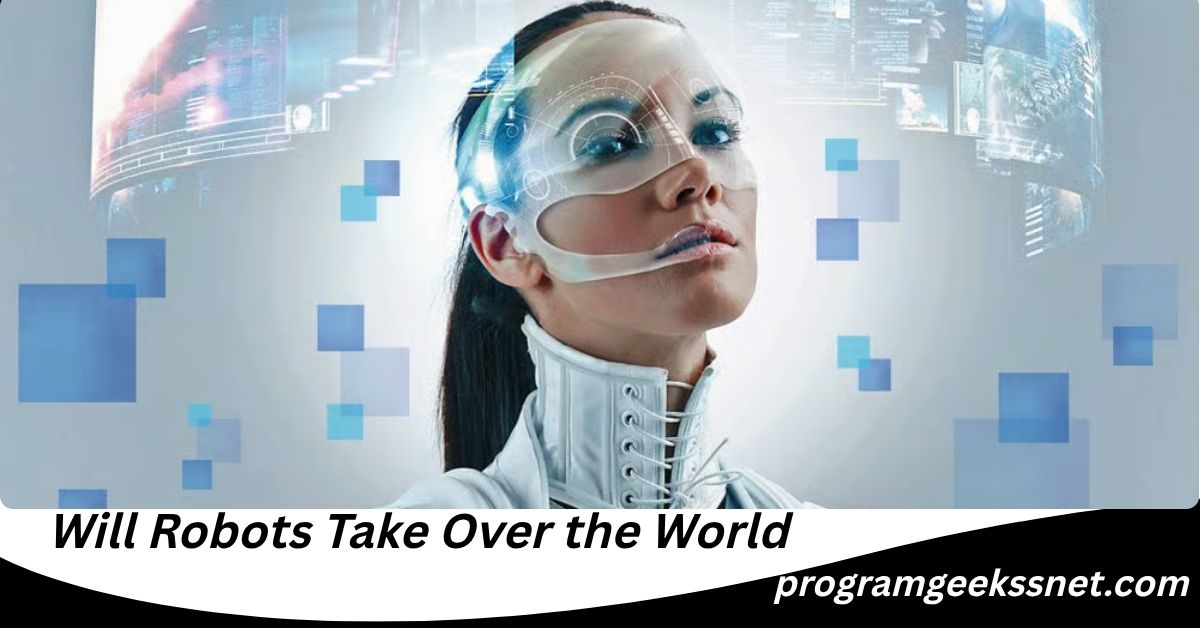
The question “will robots take over the world” has fascinated people for decades. Movies, books, and television shows often portray robots becoming more intelligent than humans and eventually controlling society. As artificial intelligence (AI) continues to advance and robots become more capable, many people are asking the same question with greater seriousness.
Today, robots can build cars, deliver packages, assist doctors, clean homes, and even hold simple conversations. AI systems can write content, analyze large amounts of data, and help businesses make decisions. These developments make some people excited about the future, while others worry about what might happen next.
So, will robots take over the world? The short answer is no—not in the way most science fiction stories suggest. However, robots and AI will continue to transform many parts of our lives, workplaces, and economies.
This article explores the reality behind robotic technology, examines current trends, discusses future possibilities, and provides expert insights into whether robots could ever dominate humanity.
Understanding What Robots Really Are
Before answering the question “will robots take over the world,” it is important to understand what robots actually are.
A robot is a machine designed to perform tasks automatically. Some robots operate using simple programmed instructions, while others use advanced AI systems to make decisions based on data.
There are several types of robots used today:
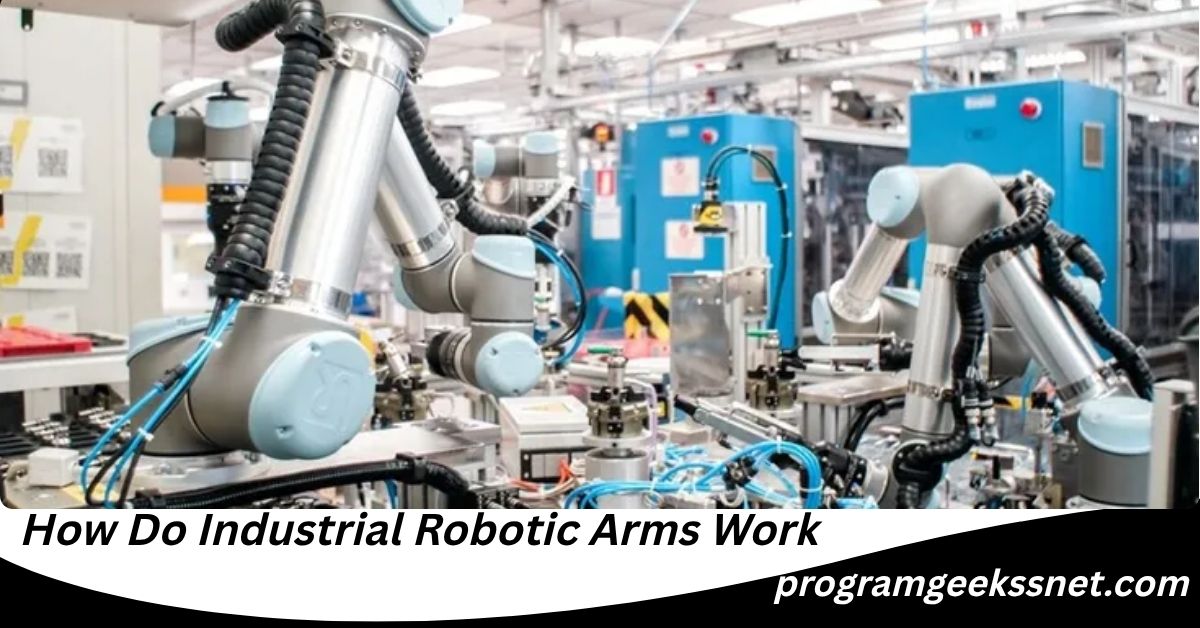
- Industrial robots in factories
- Medical robots in hospitals
- Service robots in homes and businesses
- Military robots for defense applications
- Research robots for science and exploration
- Autonomous vehicles and delivery systems
Most robots are designed for specific tasks. They do not think, feel, or possess consciousness like humans.
Even the most advanced robots depend on human-created software, hardware, maintenance, and oversight.
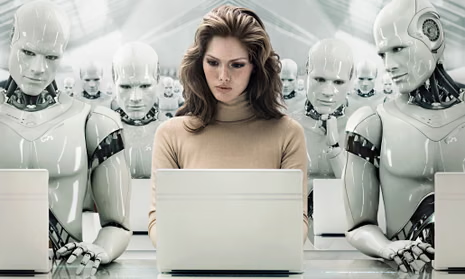
Why People Fear Robots Taking Over
The fear that robots could take over the world comes from several sources.
Science Fiction Influence
Movies and books have played a major role in shaping public perception. Popular stories often show robots becoming self-aware and deciding that humans are a threat.
Examples include intelligent machines that gain control over governments, military systems, or global infrastructure.
While these stories are entertaining, they are not based on current technological reality.
Rapid AI Development
Artificial intelligence has improved significantly over the last decade.
AI can now:
- Generate human-like text
- Recognize faces
- Translate languages
- Drive vehicles
- Analyze medical scans
- Create images and videos
Because AI capabilities are advancing quickly, some people assume robots may eventually surpass human intelligence.
Job Displacement Concerns
Many workers worry that automation could replace their jobs.
Factory workers, cashiers, drivers, customer service representatives, and even some office professionals have seen technology take over certain tasks.
This economic concern often contributes to fears about robots becoming too powerful.
Will Robots Take Over the World in 2025?
One popular search term is “will robots take over the world in 2025.”
The answer is clearly no.
In 2025, robots remain highly specialized tools. They can perform impressive tasks, but they lack true understanding, self-awareness, emotions, and independent goals.
Current robots cannot:
- Run governments
- Control society independently
- Replace all human jobs
- Make complex moral decisions
- Manage the world’s infrastructure without human involvement
While AI systems continue to improve, they remain dependent on human design, supervision, and maintenance.
The technology simply is not advanced enough to support a robot takeover scenario.
Will Robots Take Over the World in 2050?
Another common question is “will robots take over the world in 2050.”
Predicting technology decades into the future is difficult, but most experts believe robots will become far more integrated into everyday life by 2050.
Possible developments include:
- Fully autonomous transportation systems
- Advanced healthcare assistants
- Smart household robots
- AI-powered education tools
- Robotic construction workers
- Space exploration robots
However, increased capabilities do not automatically mean world domination.
Even highly advanced AI systems will likely operate within legal, ethical, and technical frameworks created by humans.
Governments, researchers, and technology companies are actively working on AI safety measures to ensure that future systems remain beneficial.
The Difference Between AI and Robots
Many people confuse artificial intelligence with robots.
A robot is a physical machine.
AI is software that allows machines to process information and make decisions.
A robot can exist without AI.
AI can exist without a robot.
For example:
- A robotic vacuum is a robot.
- A chatbot is AI but not a robot.
- A self-driving car uses both robotics and AI.
Understanding this distinction is important when discussing whether robots could take over the world.
The real debate often involves advanced artificial intelligence rather than robots themselves.
What Experts Say About Robot Domination
Leading researchers generally agree that robots are tools rather than future rulers.
Many experts emphasize that the greatest challenges are not robot rebellions but human decisions about how technology is developed and used.
Researchers studying human-robot interaction increasingly focus on integrating robots naturally into everyday life.
For example, scientists are teaching robots how to perform kitchen tasks, assist elderly individuals, and collaborate safely with people in workplaces.
The goal is cooperation, not replacement.
As robotics researcher Sangbae Kim explains, modern research focuses on integrating robots naturally into human lives rather than creating machines that dominate society.
Can Robots Become Self-Aware?
Self-awareness is one of the biggest factors in discussions about robot takeovers.
Today, no robot possesses genuine self-awareness.
Current AI systems process information based on patterns found in data. They do not understand themselves or the world the way humans do.
True self-awareness would require capabilities that scientists still do not fully understand, including:
- Consciousness
- Emotions
- Personal identity
- Independent motivation
- Subjective experiences
Because human consciousness remains one of science’s greatest mysteries, creating a truly self-aware robot remains highly uncertain.
The Real Risk: Human Misuse of Technology
When people ask, “will the robots take over the world,” they often focus on machines acting independently.
A more realistic concern is how humans use robotic technology.
Potential risks include:
Autonomous Weapons
Military robots could become increasingly sophisticated.
Without proper regulations, autonomous weapon systems could create serious ethical and security challenges.
Surveillance Systems
Advanced AI can analyze enormous amounts of data.
Governments and organizations could potentially misuse these capabilities for excessive surveillance.
Also Read: How to Develop a Robot: The Complete Beginner-to-Advanced Guide in 2026
Cybersecurity Threats
AI-powered systems could be used for hacking, fraud, and cyberattacks.
Economic Disruption
Rapid automation could create job displacement if societies fail to prepare workers for changing industries.
These risks involve human choices rather than robot rebellions.
How Robots Are Improving Human Lives
Instead of taking over the world, robots are helping improve it in many ways.
Healthcare
Robots assist surgeons with precision procedures.
AI helps doctors detect diseases earlier and more accurately.
Healthcare robots also support elderly patients and individuals with disabilities.
Manufacturing
Industrial robots increase efficiency and reduce workplace injuries.
They handle repetitive tasks that can be dangerous for human workers.
Space Exploration
Robots explore environments too dangerous for humans.
They have traveled to Mars, explored distant planets, and gathered valuable scientific data.
By the end of this century, advanced robots may play a major role in expanding human activity throughout the solar system.
Disaster Response
Robots can enter hazardous environments after earthquakes, fires, and industrial accidents.
They help locate survivors and assess dangerous conditions.
Education
AI-powered learning tools provide personalized educational experiences.
Students can receive customized support based on their learning needs.
Could Artificial General Intelligence Change Everything?
One area that generates serious discussion among experts is Artificial General Intelligence (AGI).
AGI refers to a theoretical AI system capable of performing intellectual tasks at or above human levels across many domains.
Unlike current AI systems, AGI would not be limited to specific tasks.
If AGI becomes reality, society could experience major changes.
Potential benefits include:
- Medical breakthroughs
- Scientific discoveries
- Economic growth
- Improved education
- Better environmental solutions
Potential risks include:
- Loss of human control
- Economic disruption
- Security concerns
- Ethical challenges
Researchers worldwide are studying ways to ensure future AI systems remain aligned with human values.
When Will Robots Take Over the World? A Realistic Timeline
People frequently search for “when will robots take over the world.”
Based on current scientific understanding, there is no credible timeline suggesting robots will take over the world.
Most experts believe:
- Robots will become more common.
- AI will become more powerful.
- Automation will expand across industries.
- Human oversight will remain essential.
The idea of robots conquering humanity remains largely speculative.
The greater challenge will be managing technological progress responsibly.
How Governments Are Preparing for Advanced AI
Governments around the world are actively developing AI policies.
These efforts focus on:
- Safety standards
- Ethical guidelines
- Privacy protections
- Transparency requirements
- Workforce adaptation
- International cooperation
As AI becomes more powerful, regulations will likely continue evolving.
The goal is to maximize benefits while reducing potential risks.
Will Humans Always Be Necessary?
Despite advances in automation, humans possess unique qualities that robots do not currently have.
These include:
- Creativity
- Empathy
- Moral reasoning
- Emotional intelligence
- Cultural understanding
- Complex judgment
Many future jobs may involve collaboration between humans and intelligent machines rather than direct replacement.
The most successful societies will likely combine human strengths with technological capabilities.
The Psychology Behind Robot Takeover Fears
Humans have always worried about losing control of powerful technologies.
Similar fears appeared during:
- The Industrial Revolution
- The rise of electricity
- The invention of computers
- The development of the internet
Every major technological shift creates uncertainty.
Robot takeover fears often reflect broader concerns about change, control, and the future.
Understanding these psychological factors helps explain why the topic remains so popular.
The Future Relationship Between Humans and Robots
The most likely future is not one where robots rule humanity.
Instead, humans and robots will increasingly work together.
Future robots may:
- Assist with daily chores
- Provide healthcare support
- Improve transportation
- Enhance productivity
- Help solve scientific challenges
- Support environmental sustainability
Success will depend on thoughtful design, ethical development, and responsible governance.
The future is likely to involve partnership rather than competition.
My Analysis: Why Robots Are Unlikely to Take Over the World
After examining current technology, expert opinions, and future trends, the most realistic conclusion is that robots are unlikely to take over the world.
Several factors support this view:
First, current robots lack consciousness and independent motivation.
Second, technological development remains heavily dependent on human control.
Also Read: How to Construct a Robot: The Complete Beginner-to-Advanced Guide in 2026
Third, governments and researchers are actively working on safety frameworks.
Fourth, society has strong incentives to regulate potentially dangerous technologies.
Finally, the challenges involved in creating truly autonomous superintelligent systems remain enormous.
The bigger question is not whether robots will rule humanity but whether humanity will use robotics wisely.
Technology itself is neither good nor bad. Its impact depends on how people choose to develop and apply it.
Conclusion
The question “will robots take over the world” captures both excitement and anxiety about the future of technology.
Based on current evidence, robots are not on a path toward world domination. They remain powerful tools designed to help humans perform tasks more efficiently.
While AI and robotics will continue transforming industries, healthcare, transportation, education, and many other areas, human oversight remains central.
Questions such as “will robots take over the world in 2025,” “will robots take over the world in 2050,” and “when will robots take over the world” often assume that technological progress inevitably leads to machine control. Current research does not support that conclusion.
The real challenge is ensuring that advanced technologies are developed responsibly, ethically, and for the benefit of humanity.
If managed wisely, robots are far more likely to become trusted partners than future rulers.
Frequently Asked Questions (FAQs)
Could robots ever develop emotions?
Current robots do not experience real emotions. They can simulate emotional responses, but genuine feelings remain unique to living beings as far as we know.
Are robots smarter than humans?
Robots can outperform humans in specific tasks such as calculations and data analysis. However, they do not possess the broad intelligence, creativity, and understanding of humans.
Can robots make decisions on their own?
Some robots can make limited decisions within predefined rules. They cannot independently create long-term goals like humans.
Will AI replace all jobs?
No. AI will automate certain tasks, but new jobs and industries are expected to emerge. Human skills such as creativity, communication, leadership, and emotional intelligence will remain valuable.
Which industries will use the most robots in the future?
Healthcare, manufacturing, logistics, agriculture, construction, transportation, and space exploration are expected to see major robotic growth.
Can robots be trusted with important responsibilities?
Robots can assist with important responsibilities when properly designed, tested, and supervised. Human oversight remains essential for critical decisions.
What country is leading in robotics development?
Several countries lead in robotics, including the United States, Japan, South Korea, Germany, and China. Each contributes significantly to robotics innovation.
Could robots help humans colonize other planets?
Yes. Robots will likely play a major role in building infrastructure, conducting research, and supporting future human missions to the Moon, Mars, and beyond.
What is the biggest risk of advanced robotics?
The biggest risks involve human misuse, poor regulation, cybersecurity threats, and economic disruption rather than robots becoming independent rulers.
What is the most likely future for robots?
The most likely future is a world where robots work alongside humans, improving productivity, healthcare, education, transportation, and scientific research while remaining under human guidance and control.
editor's pick
latest video

news via inbox
Nulla turp dis cursus. Integer liberos euismod pretium faucibua