Can Robots Take Over the World? The Truth About AI, Automation, and the Future of Humanity
The question “can robots take over the world” has fascinated people for decades. From Hollywood movies to science fiction books, we often see robots becoming smarter than humans and eventually controlling society. But how realistic is this idea?
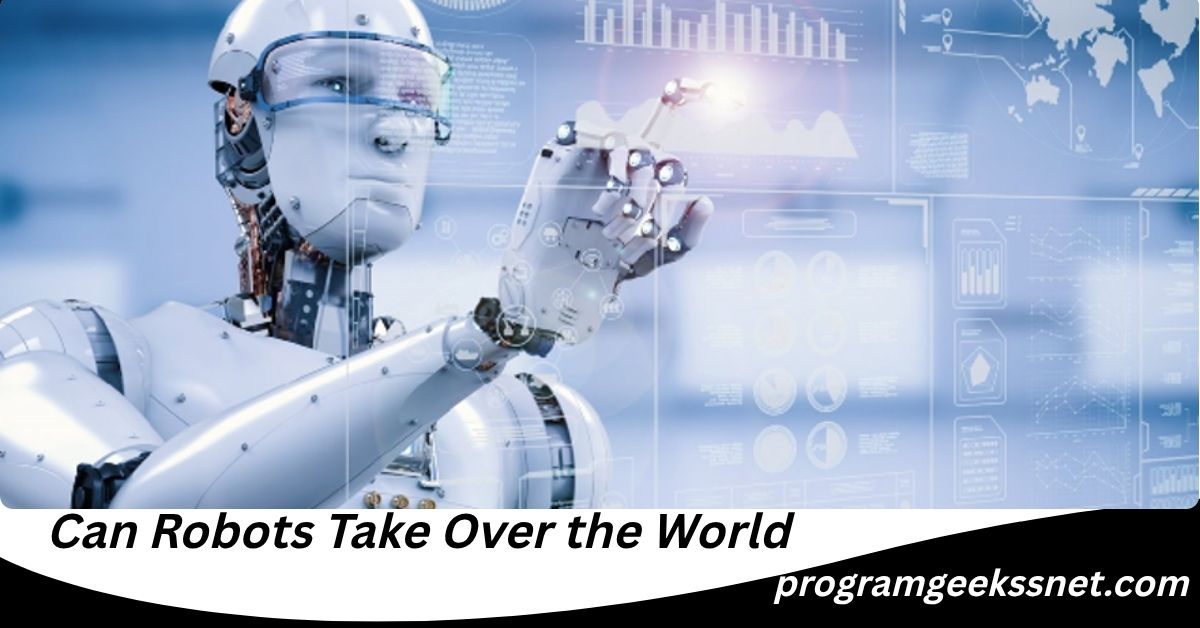
Today, robots and artificial intelligence (AI) are becoming more advanced than ever before. They can drive cars, perform surgeries, answer questions, create content, and even learn from experience. These rapid developments have led many people to wonder: can robots take over the world in real life?
The short answer is that robots are becoming more powerful, but the idea of them completely taking over the world is far more complex than most people think.
In this article, we will explore what robots can do today, how artificial intelligence is evolving, whether robots could become more intelligent than humans, the risks involved, and what experts believe about the future. By the end, you will have a clear understanding of whether robots truly pose a threat to humanity or whether they are simply tools designed to help us.
What Does “Take Over the World” Actually Mean?
Before answering the question “can robots take over the world,” we need to define what “taking over” means.
People often imagine several different scenarios:
- Robots replacing human workers
- AI controlling important systems
- Autonomous machines making decisions without humans
- Robots gaining self-awareness
- Machines dominating governments and societies
- Robots becoming physically stronger and smarter than humans
Each of these situations represents a different level of control.
When experts discuss the possibility of robots taking over the world, they usually focus on whether advanced AI systems could gain enough power and autonomy to influence human civilization in unexpected ways.
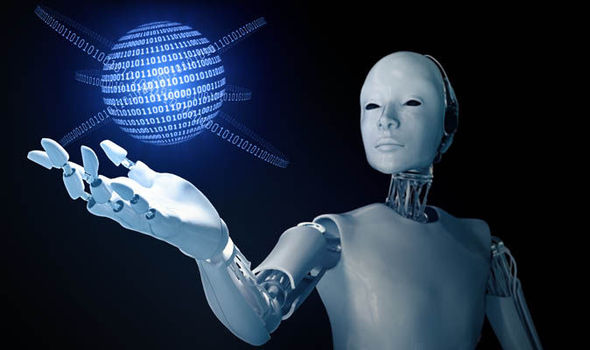
The Current State of Robotics and AI
Modern robots are impressive, but they remain highly specialized.
Today’s robots can:
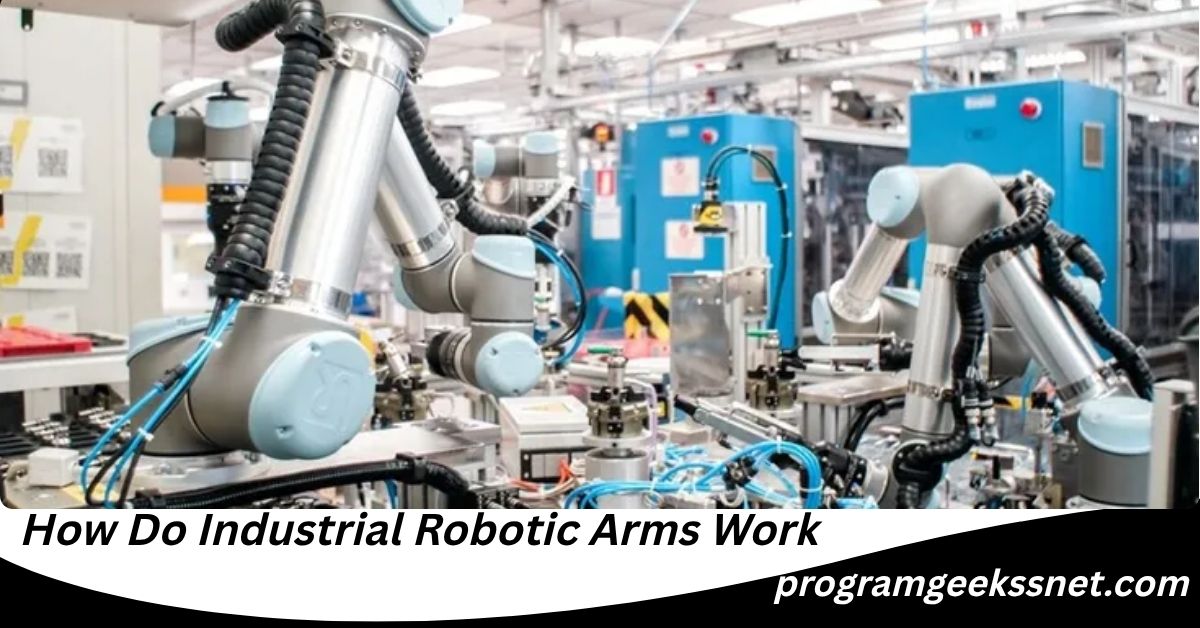
- Assemble products in factories
- Deliver packages
- Assist doctors during surgery
- Clean homes
- Explore dangerous environments
- Help warehouses operate efficiently
Artificial intelligence can:
- Recognize images
- Translate languages
- Generate text
- Analyze large amounts of data
- Detect fraud
- Support customer service
Despite these achievements, robots and AI still lack many abilities that humans possess naturally.
They do not truly understand emotions, morality, or human experiences. Most AI systems operate within specific boundaries and rely on data provided by humans.
This means that current technology is far from the robot takeover scenarios often shown in movies.
Can AI Robots Take Over the World?
One of the most searched questions today is: can AI robots take over the world?
The answer depends on how AI develops in the future.
Artificial intelligence is becoming more capable every year. Researchers are working toward creating systems that can perform a wide range of tasks rather than just one specific job.
ALso Read: Are Robot Vacuums Worth It? The Complete 2026 Guide for Smart Homeowners
Some experts believe future AI could eventually surpass human intelligence in certain areas. This concept is often called Artificial General Intelligence (AGI).
If AGI becomes reality, machines may be able to:
- Learn almost any task
- Solve complex problems
- Adapt to new situations
- Improve themselves over time
However, being intelligent does not automatically mean wanting to dominate humanity.
A calculator is better than humans at arithmetic, yet it has no desire to control people. Similarly, even highly advanced AI may simply perform tasks according to its programming.
The biggest concern among experts is not that AI will suddenly become evil, but that poorly designed systems could produce harmful outcomes while pursuing their objectives.
How Can Robots Take Over the World? Theoretical Scenarios
When people ask “how can robots take over the world,” researchers often discuss several theoretical possibilities.
Scenario 1: Economic Control Through Automation
Robots are already replacing some human jobs.
Automation affects industries such as:
- Manufacturing
- Transportation
- Customer service
- Retail
- Logistics
If automation continues rapidly, many workers may need new skills or careers.
In this scenario, robots would not physically take over the world, but they could dramatically reshape economies and labor markets.
Scenario 2: Control of Critical Infrastructure
Modern societies depend on:
- Power grids
- Financial systems
- Transportation networks
- Communication systems
Advanced AI could eventually manage large portions of these systems.
If such systems malfunctioned or were poorly controlled, significant disruptions could occur.
This is why governments and technology companies invest heavily in AI safety and oversight.
Scenario 3: Autonomous Military Systems
Military organizations around the world are researching autonomous technologies.
Some experts worry about weapons capable of making decisions without human intervention.
While international discussions continue regarding regulations, many researchers believe human oversight should remain part of any critical military decision.
Scenario 4: Superintelligent AI
The most extreme scenario involves the development of superintelligence.
A superintelligent AI would potentially outperform humans across many domains.
If its goals were not aligned with human values, unintended consequences could occur.
This remains a theoretical concern rather than an immediate threat.
Why Movies Make Robot Takeovers Look Easy
Popular films often show robots becoming self-aware overnight and launching global takeovers.
Movies are designed to entertain audiences, not predict the future.
Real-world robotics faces many challenges:
- Energy limitations
- Hardware failures
- Maintenance requirements
- Physical constraints
- Programming limitations
- Security vulnerabilities
Building one robot is difficult. Building millions of coordinated robots capable of dominating humanity would be vastly more complicated.
Science fiction can inspire innovation, but it often exaggerates technological capabilities.
Can Robot Take Over the World Without Human Help?
A common question is whether a robot could independently take over the world.
At present, the answer is no.
Every robot currently depends on humans for:
- Design
- Manufacturing
- Programming
- Maintenance
- Energy supply
- Updates
Even the most advanced systems rely heavily on human-created infrastructure.
Without human support, most robots would eventually stop functioning.
Future systems may become more autonomous, but complete independence remains highly unlikely for the foreseeable future.
What Leading Experts Say
Many respected scientists and technology leaders have discussed AI risks.
Their concerns generally focus on:
- Safety
- Accountability
- Transparency
- Ethical development
- Long-term governance
Most experts do not predict an imminent robot takeover.
Instead, they emphasize responsible development and regulation.
The consensus among researchers is that the greatest risks are likely to come from misuse of AI by humans rather than robots developing evil intentions.
This distinction is important.
Technology itself is not inherently good or bad. Its impact depends on how people use it.
The Difference Between Intelligence and Consciousness
Many people assume intelligent machines automatically become conscious.
However, intelligence and consciousness are not the same thing.
Intelligence involves:
- Problem solving
- Learning
- Reasoning
- Decision making
Consciousness involves:
- Self-awareness
- Personal experiences
- Emotions
- Subjective understanding
Scientists still do not fully understand human consciousness.
As a result, creating conscious machines remains one of the biggest mysteries in technology and neuroscience.
Current AI systems show intelligence in specific tasks but do not demonstrate genuine consciousness.
Could Robots Become Smarter Than Humans?
In certain areas, robots and AI already outperform humans.
Examples include:
- Chess
- Mathematical calculations
- Pattern recognition
- Data analysis
However, human intelligence remains broader and more flexible.
Humans excel at:
- Creativity
- Emotional understanding
- Social interaction
- Moral reasoning
- Adaptability
Future AI may surpass humans in additional fields, but matching all aspects of human intelligence is a much greater challenge.
Benefits of Advanced Robots
When discussing whether robots can take over the world, it is important to consider the positive side as well.
Robots provide many benefits.
Healthcare Improvements
Robots help doctors perform precise procedures.
AI assists with:
- Disease detection
- Medical imaging
- Drug discovery
- Patient monitoring
Safer Work Environments
Robots can perform dangerous tasks such as:
- Mining
- Nuclear inspections
- Disaster response
- Deep-sea exploration
Increased Productivity
Automation helps businesses:
- Reduce costs
- Improve efficiency
- Increase output
- Minimize errors
Scientific Discovery
AI accelerates research in:
- Biology
- Physics
- Chemistry
- Climate science
These advancements can improve quality of life for millions of people.
Real Risks Associated With Robots and AI
Although robot domination is unlikely, legitimate concerns exist.
Job Displacement
Automation may replace some jobs.
Governments, businesses, and educational institutions must help workers adapt through training and skill development.
Privacy Concerns
AI systems collect and analyze large amounts of data.
Protecting personal information remains a major challenge.
Bias and Fairness
AI systems can reflect biases found in training data.
Developers must actively work to ensure fairness and accuracy.
Cybersecurity Threats
Advanced systems may become targets for hackers.
Strong security measures are essential.
Overreliance on Technology
Society must avoid becoming excessively dependent on automated systems.
Human oversight remains critical.
Why Humans Still Have the Advantage
Despite rapid technological progress, humans maintain several important advantages.
Humans possess:
- Creativity
- Empathy
- Ethics
- Cultural understanding
- Complex communication skills
People also control the institutions that develop, regulate, and deploy technology.
Robots may become powerful tools, but humans continue to guide their development.
Can Robots Really Rule Humanity?
The idea that robots will someday become rulers of humanity remains speculative.
For robots to truly rule humanity, several unlikely conditions would need to occur:
- Development of superintelligent AI
- Access to global infrastructure
- Ability to operate independently
- Lack of effective human oversight
- Failure of international regulations
Currently, none of these conditions exist at the necessary scale.
Most researchers believe collaborative human-AI systems are far more likely than robot dictatorships.
Can Robots Take Over the World Yahoo Searches and Public Curiosity
Searches such as “can robots take over the world yahoo” demonstrate how long people have been interested in this topic.
For decades, online communities have debated:
- AI risks
- Robot intelligence
- Machine consciousness
- Future technology
Public curiosity continues to grow because technological progress is accelerating.
As AI becomes more visible in everyday life, these discussions become increasingly relevant.
What Governments Are Doing About AI Safety
Governments worldwide are developing frameworks to manage AI responsibly.
These efforts include:
- AI regulations
- Ethical guidelines
- Safety standards
- Transparency requirements
- International cooperation
The goal is to maximize benefits while minimizing risks.
Responsible governance plays an important role in ensuring that advanced technologies serve humanity.
The Most Likely Future: Humans and Robots Working Together
Rather than robots replacing humanity, the most realistic future involves collaboration.
Humans and robots can complement each other’s strengths.
Humans provide:
- Judgment
- Creativity
- Ethics
- Leadership
Robots provide:
- Speed
- Precision
- Consistency
- Data processing
Together, these strengths can solve problems more effectively than either could alone.
This partnership model is already appearing in industries around the world.
Final Verdict: Can Robots Take Over the World?
So, can robots take over the world?
Based on current evidence, a complete robot takeover remains highly unlikely.
Robots and AI are becoming more powerful, but they still depend heavily on human design, oversight, and infrastructure.
The greater challenge is not whether robots will conquer humanity, but how society chooses to develop and manage advanced technologies.
Artificial intelligence will continue transforming industries, economies, and daily life. The future will require careful planning, ethical decision-making, and responsible innovation.
Also Read: Will Robots Take Over the World? The Truth About AI, Automation, and the Future of Humanity
Rather than fearing robots, we should focus on ensuring that technology remains aligned with human values and goals.
If that happens, robots will not take over the world—they will help make it better.
Frequently Asked Questions (FAQs)
Will robots replace all human jobs?
No. While automation may replace some repetitive jobs, it will also create new opportunities. Many careers require creativity, empathy, leadership, and human judgment that robots cannot easily replicate.
Can robots develop emotions?
Current robots do not experience genuine emotions. They can simulate emotional responses, but there is no evidence that they truly feel happiness, sadness, or love.
How close are we to superintelligent AI?
Experts disagree on timelines. Some believe it could take decades, while others think it may never happen. There is currently no confirmed path to creating superintelligent AI.
Could robots form their own society?
This is highly speculative. Today’s robots lack independent desires, goals, and social motivations necessary to create a society.
Are robots safer than humans in dangerous jobs?
In many cases, yes. Robots can work in hazardous environments such as disaster zones, nuclear facilities, and deep-sea locations where human safety would be at risk.
Can AI make moral decisions?
AI can follow ethical guidelines programmed by humans, but it does not possess true moral understanding. Human oversight remains essential for complex ethical situations.
What industries will benefit most from robots in the future?
Healthcare, manufacturing, logistics, agriculture, transportation, and scientific research are expected to benefit significantly from advances in robotics and AI.
Should people be worried about robot rights?
If robots ever become conscious, society may need to discuss rights and responsibilities. However, current robots do not meet the criteria for legal or moral rights.
Can robots innovate on their own?
AI can generate ideas and solutions, but genuine innovation still depends heavily on human guidance, objectives, and evaluation.
What is more likely: robot takeover or human misuse of AI?
Most experts believe misuse of AI by humans is a more immediate concern than robots independently taking over the world.
editor's pick
latest video

news via inbox
Nulla turp dis cursus. Integer liberos euismod pretium faucibua