How to Develop a Robot: The Complete Beginner-to-Advanced Guide in 2026
Robots are no longer limited to factories, science labs, or large technology companies. Today, robots help people clean homes, deliver products, assist in healthcare, support agriculture, explore dangerous environments, and even interact with humans in everyday life.
Because robotics technology is becoming more affordable and accessible, many students, hobbyists, engineers, entrepreneurs, and business owners want to learn how to develop a robot from scratch.
If you are wondering how to develop a robot, this complete guide will walk you through every stage of the process. You will learn about robot design, hardware selection, software development, artificial intelligence integration, testing, deployment, and future trends.
This article is written in simple English and follows current robotics development practices used in 2026. Whether you want to build a simple educational robot or a sophisticated humanoid machine, this guide will help you understand the entire development journey.
What Is a Robot?
A robot is a programmable machine that can perform tasks automatically or semi-automatically.
Most robots contain three core parts:
- Sensors that collect information from the environment
- A processing system that makes decisions
- Actuators or motors that perform actions
For example, a robotic vacuum uses sensors to detect obstacles, a processor to decide where to move, and motors to drive around the room.
Modern robots can also use artificial intelligence (AI), machine learning, computer vision, and cloud computing to become more intelligent and adaptive.

Why Learn How to Develop a Robot?
Learning how to develop a robot offers many advantages.
Career Opportunities
The robotics industry continues to grow rapidly across industries such as:
- Manufacturing
- Healthcare
- Agriculture
- Defense
- Logistics
- Education
- Retail
- Space exploration
Robotics engineers, software developers, AI specialists, and automation experts are highly demanded.
Business Opportunities
Companies increasingly invest in robotics to improve productivity and reduce operational costs.
Developing robotic solutions can create profitable startup opportunities.
Problem Solving Skills
Robot development teaches:
- Programming
- Electronics
- Engineering design
- Artificial intelligence
- Systems thinking
These skills are valuable across many industries.
Understanding the Different Types of Robots
Before learning how to develop a robot, it is important to understand the major categories.
Also Read: How to Construct a Robot: The Complete Beginner-to-Advanced Guide in 2026
Industrial Robots
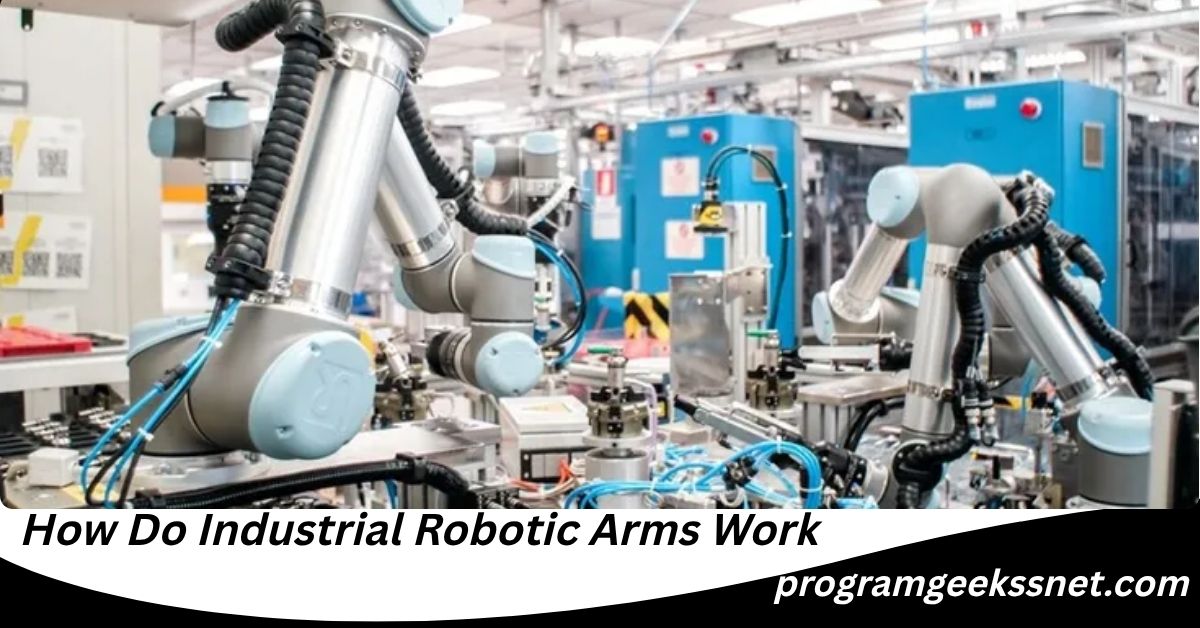
Industrial robots work in manufacturing facilities and production lines.
Common applications include:
- Welding
- Painting
- Packaging
- Assembly
Service Robots
These robots assist humans in daily activities.
Examples include:
- Cleaning robots
- Delivery robots
- Hotel service robots
- Healthcare assistants
Agricultural Robots
Agricultural robots help farmers improve efficiency.
Tasks include:
- Plant monitoring
- Crop harvesting
- Weed control
- Soil analysis
Mobile Robots
Mobile robots move independently through environments.
Examples include:
- Warehouse robots
- Delivery robots
- Security robots
Humanoid Robots
Humanoid robots resemble humans in appearance and movement.
Examples include robots used for:
- Customer service
- Research
- Education
- Healthcare assistance
Autonomous Robots
These robots operate with minimal human intervention using AI and advanced sensors.
Examples include:
- Self-driving vehicles
- Autonomous drones
- Smart delivery systems
Step 1: Define the Robot’s Purpose
The first step in how to develop a robot is identifying the exact problem the robot will solve.
Ask yourself:
- What task should the robot perform?
- Where will it operate?
- Who will use it?
- What challenges might it face?
A robot designed for warehouse transportation will require different components than a healthcare assistant robot.
Clear goals help reduce development costs and improve project success.
Step 2: Create Robot Requirements
Once the purpose is defined, create detailed requirements.
Consider:
Movement Requirements
Will the robot:
- Walk?
- Roll?
- Fly?
- Swim?
Environment
Will it work:
- Indoors?
- Outdoors?
- In dangerous conditions?
Power Requirements
Decide whether the robot will use:
- Batteries
- Rechargeable systems
- Direct power supply
Communication Requirements
The robot may require:
- Wi-Fi
- Bluetooth
- Cellular connectivity
- Satellite communication
Documenting requirements early prevents costly mistakes later.
Step 3: Design the Robot Architecture
Robot architecture combines hardware and software systems.
A typical robot architecture includes:
Sensors
Sensors help robots understand their surroundings.
Popular sensor types include:
- Cameras
- Ultrasonic sensors
- Infrared sensors
- GPS modules
- LIDAR systems
- Temperature sensors
Processing Unit
The processing unit acts as the robot’s brain.
Popular options include:
- Arduino
- Raspberry Pi
- NVIDIA Jetson
- Intel-based processors
Actuators
Actuators create movement.
Common examples:
- DC motors
- Servo motors
- Stepper motors
- Hydraulic actuators
Communication Systems
Communication enables data transfer between systems.
Examples include:
- Wi-Fi modules
- Bluetooth modules
- 5G connectivity
Step 4: Build the Mechanical Structure
The robot’s body must be designed according to its intended purpose.
Materials commonly used include:
- Aluminum
- Carbon fiber
- Plastic
- Steel
- Composite materials
Important factors include:
Weight
A lighter robot consumes less energy.
Durability
The structure must withstand environmental conditions.
Balance
Proper balance improves movement efficiency.
Many developers use CAD software before building physical prototypes.
Popular design tools include:
- SolidWorks
- Fusion 360
- AutoCAD
Step 5: Choose Electronics Components
Selecting reliable electronic components is essential when learning how to develop a robot.
Key components include:
Microcontrollers
Microcontrollers control robot operations.
Popular choices:
- Arduino Uno
- ESP32
- STM32
Single-Board Computers
For advanced robotics projects:
- Raspberry Pi
- NVIDIA Jetson Nano
- Jetson Orin
Sensors
Choose sensors based on project needs.
Examples:
- Object detection sensors
- Distance sensors
- Motion sensors
- Environmental sensors
Power Management Systems
Good power systems improve robot reliability and battery life.
Step 6: Develop the Robot Software
Software transforms hardware into a functioning robot.
Software development usually includes:
Hardware Control
Programs manage:
- Motors
- Sensors
- Communication modules
Navigation Systems
Navigation software helps robots move safely.
Functions include:
- Path planning
- Obstacle avoidance
- Route optimization
User Interface
Many robots include:
- Mobile apps
- Web dashboards
- Touchscreen controls
Data Processing
Robots analyze incoming sensor information and convert it into actions.
Programming Languages Used in Robotics
Several programming languages are commonly used.
Python
Python is one of the most popular robotics languages because it is easy to learn.
Uses include:
- Artificial intelligence
- Machine learning
- Computer vision
C++
C++ provides high performance and fast execution.
Widely used for:
- Industrial robotics
- Real-time systems
Java
Java is useful for cross-platform robotic applications.
ROS Programming
The Robot Operating System (ROS) has become a leading framework for robot development.
ROS provides:
- Navigation tools
- Device communication
- Simulation environments
- Development libraries
Step 7: Add Artificial Intelligence
Artificial intelligence is transforming robotics.
AI allows robots to:
- Recognize objects
- Understand speech
- Learn from experience
- Make decisions
Computer Vision
Computer vision enables robots to interpret images and video.
Applications include:
- Face recognition
- Object detection
- Quality inspection
Machine Learning
Machine learning helps robots improve performance through data analysis.
Also Readd: How to Connect Shark Robot to WiFi: Complete Step-by-Step Guide for Easy Setup in 2026
Examples:
- Predictive maintenance
- Pattern recognition
- Adaptive behavior
Natural Language Processing
NLP allows robots to understand and respond to human speech.
Popular applications include:
- Customer service robots
- Healthcare assistants
- Educational robots
Step 8: Develop Navigation Systems
Navigation is one of the most challenging parts of how to develop a robot.
Robots must know:
- Their location
- Their destination
- Safe paths
Popular navigation technologies include:
GPS Navigation
Useful for outdoor robots.
LIDAR Mapping
Creates highly accurate environmental maps.
Simultaneous Localization and Mapping (SLAM)
SLAM allows robots to create maps while determining their own position.
This technology powers many advanced robots today.
Step 9: Simulate Before Building
Simulation saves time and money.
Developers often test robots virtually before physical construction.
Popular simulation tools include:
- Gazebo
- Webots
- CoppeliaSim
- Isaac Sim
Benefits include:
- Faster testing
- Lower costs
- Safer experimentation
Step 10: Build the Prototype
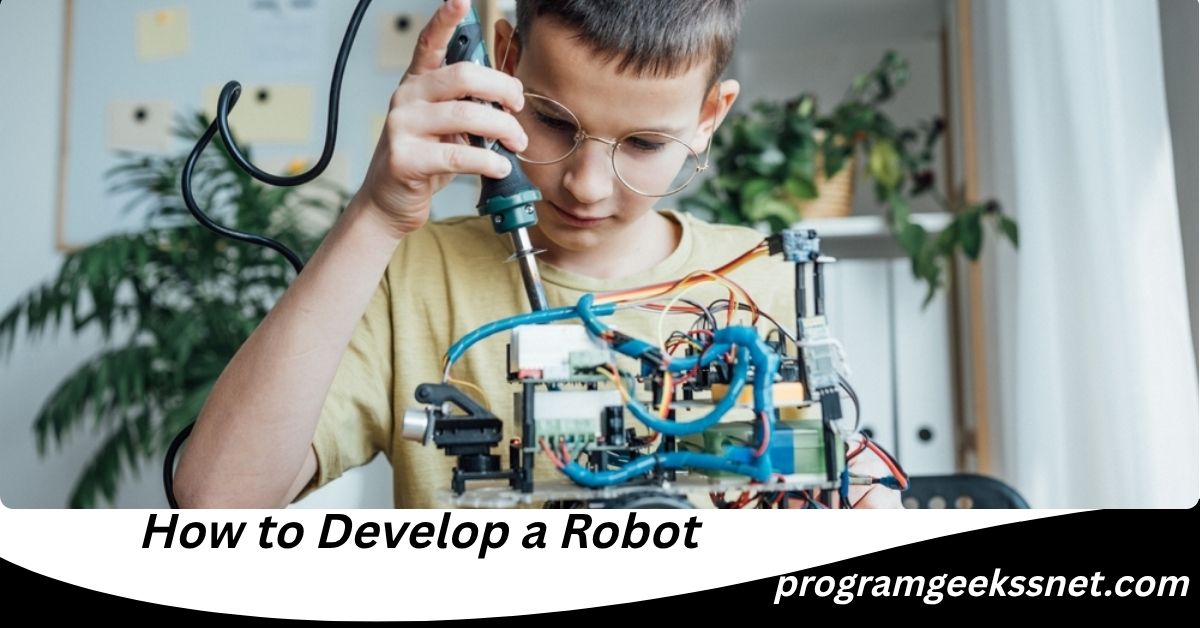
The first prototype validates the design.
During prototype development:
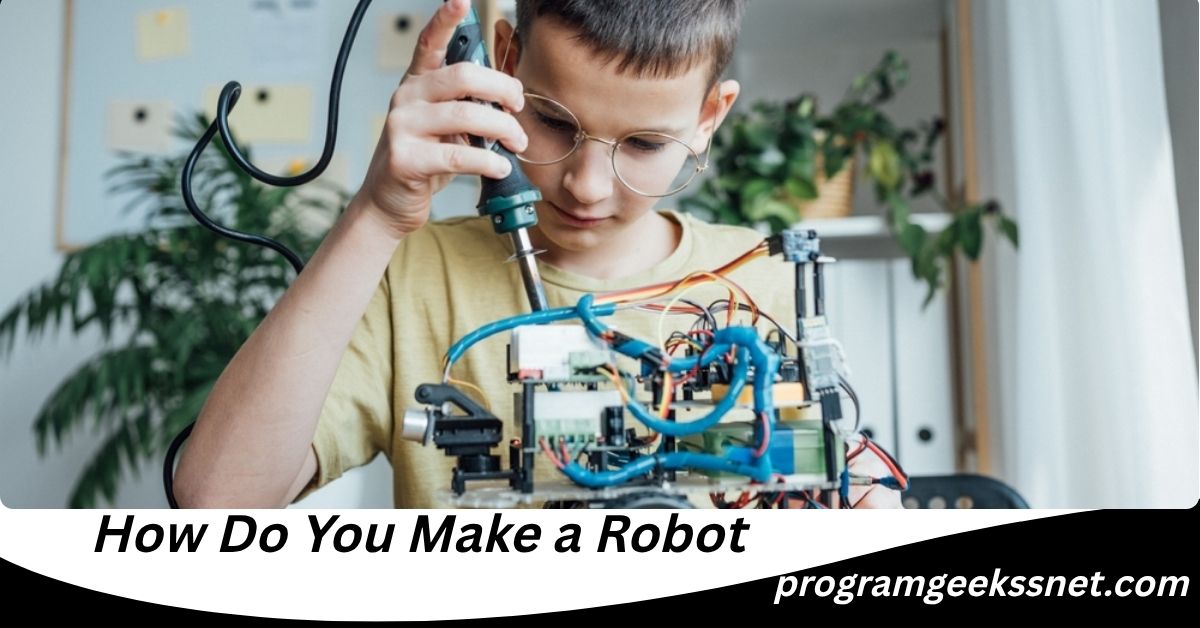
- Assemble components
- Install software
- Connect sensors
- Test movement
Do not expect perfection.
Most successful robots go through multiple prototype versions.
Step 11: Test and Improve
Testing identifies weaknesses before deployment.
Important tests include:
Functional Testing
Verify all components work correctly.
Safety Testing
Ensure the robot does not create hazards.
Performance Testing
Measure:
- Speed
- Accuracy
- Battery life
- Reliability
Stress Testing
Evaluate performance under extreme conditions.
Continuous improvement is critical for successful robot development.
Common Challenges in Robot Development
Understanding challenges can improve success rates.
Power Limitations
Battery capacity remains a major challenge.
Developers must balance performance and energy consumption.
Environmental Complexity
Real-world environments are unpredictable.
Robots must handle:
- Obstacles
- Weather
- Lighting changes
Cost Management
Advanced sensors and processors can increase development costs.
Careful planning helps maintain budget control.
Software Complexity
Modern robots often contain millions of lines of code.
Strong software architecture reduces maintenance difficulties.
How to Develop a Simple Robot
Many beginners search for how to develop a simple robot before moving to advanced projects.
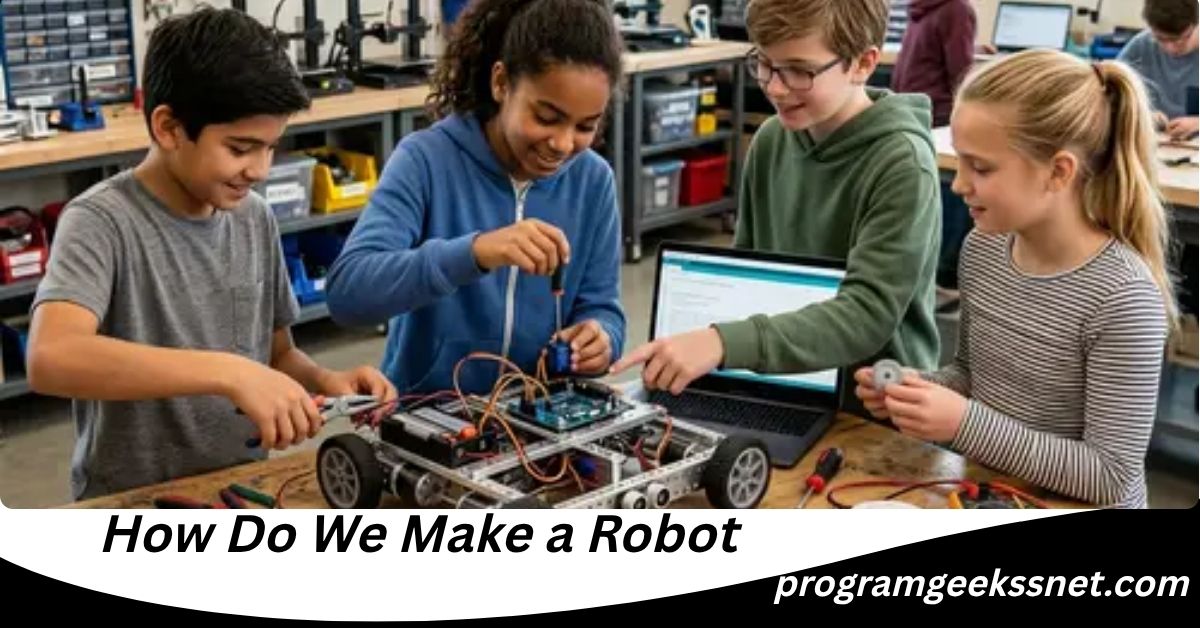
A simple robot project usually includes:
Required Components
- Arduino board
- Ultrasonic sensor
- Motor driver
- Wheels
- Battery pack
- Chassis
Basic Functions
The robot can:
- Move forward
- Detect obstacles
- Avoid collisions
- Change direction automatically
This type of project teaches fundamental robotics concepts without requiring advanced engineering skills.
Learning Benefits
Developing a simple robot helps beginners understand:
- Programming
- Electronics
- Sensors
- Mechanical assembly
It creates a strong foundation for larger robotics projects.
How to Develop a Humanoid Robot
Many robotics enthusiasts want to learn how to develop a humanoid robot.
Humanoid robots are among the most complex robotic systems.
Mechanical Design
Humanoid robots require:
- Arms
- Legs
- Hands
- Head movement
Human-like balance is extremely challenging.
Advanced Sensors
Typical sensors include:
- Cameras
- Gyroscopes
- Accelerometers
- Pressure sensors
Artificial Intelligence
AI enables:
- Human interaction
- Speech recognition
- Facial recognition
- Decision-making
Motion Control
Walking requires sophisticated balance algorithms.
Humanoid robots often use dozens of servo motors coordinated simultaneously.
Development Challenges
The biggest challenges include:
- Cost
- Power consumption
- Stability
- Software complexity
Building a humanoid robot can take months or years depending on the project’s scope.
How to Develop a Growing Robot
A newer area of robotics involves learning how to develop a growing robot.
Growing robots are inspired by biological organisms such as plants and roots.
Instead of moving traditionally, they expand their structure as they travel.
Applications
Growing robots are useful for:
- Search and rescue missions
- Pipeline inspection
- Space exploration
- Underground exploration
Key Technologies
Development often involves:
- Soft robotics
- Flexible materials
- Shape-changing structures
- Autonomous navigation
Future Potential
Researchers believe growing robots could operate in environments inaccessible to traditional robots.
This field remains one of the most exciting areas of robotics research.
How to Develop a Forex Robot
Many people also ask how to develop a forex robot.
A forex robot differs from a physical robot because it is software that automates currency trading decisions.
Define a Trading Strategy
Every forex robot requires a clear strategy.
Examples include:
- Trend following
- Scalping
- Breakout trading
- Mean reversion
Select a Trading Platform
Popular platforms include:
- MetaTrader 4
- MetaTrader 5
Programming the Robot
Common languages include:
- MQL4
- MQL5
- Python
Backtesting
Backtesting evaluates strategy performance using historical market data.
Risk Management
Successful forex robots include:
- Stop-loss rules
- Position sizing controls
- Capital protection systems
Although forex robots can automate trading, they do not guarantee profits. Market conditions can change rapidly, making continuous monitoring essential.
Robotics Trends Shaping the Future
The robotics industry continues evolving quickly.
Major trends include:
Artificial Intelligence Robotics
AI-powered robots are becoming more autonomous and intelligent.
Collaborative Robots
Cobots work safely alongside humans.
Cloud Robotics
Cloud systems provide robots with access to powerful computing resources.
Edge Computing
Edge processing reduces delays and improves response times.
Digital Twins
Digital twins create virtual robot models for testing and optimization.
Soft Robotics
Flexible robots can safely interact with people and delicate objects.
Autonomous Systems
Autonomous robots are expanding across transportation, agriculture, and logistics industries.
Best Practices for Successful Robot Development
Follow these principles to improve outcomes.
Start Small
Begin with manageable projects before attempting advanced robots.
Focus on Reliability
Reliable robots provide more value than complex but unstable systems.
Also Read: How Much Is a Tesla Robot? Complete 2026 Price Guide, Costs, Features, and Future Value
Use Modular Design
Modular systems simplify upgrades and maintenance.
Prioritize Safety
Safety should be considered throughout development.
Test Frequently
Regular testing helps identify issues early.
Keep Learning
Robotics combines multiple disciplines that continue evolving.
Continuous education is essential.
Conclusion
Understanding how to develop a robot requires knowledge of engineering, electronics, software, artificial intelligence, and system design. The process begins with defining a clear purpose, selecting the right hardware, developing reliable software, integrating intelligent features, and continuously testing and improving performance.
Whether your goal is learning how to develop a simple robot, exploring how to develop a humanoid robot, researching how to develop a growing robot, or even understanding how to develop a forex robot, the core principle remains the same: identify a problem and build a solution that performs the task efficiently and safely.
The future of robotics is brighter than ever. As AI, machine learning, cloud computing, and advanced sensors continue to improve, robots will become more capable, more affordable, and more integrated into everyday life. Those who begin learning robotics today will be well-positioned to benefit from the exciting opportunities of tomorrow.
FAQs About How to Develop a Robot
Do I need a degree to learn how to develop a robot?
No. Many successful robotics developers are self-taught. Online courses, tutorials, books, and hands-on projects can provide valuable learning opportunities.
How long does it take to develop a robot?
The timeline varies depending on complexity. A simple robot may take a few days or weeks, while advanced robots can require months or years.
What is the best programming language for robotics?
Python is often recommended for beginners because it is easy to learn. C++ is commonly used for high-performance robotics applications.
Is robotics expensive to learn?
Not necessarily. Beginner projects can be built with affordable components. Costs increase as robots become more advanced.
Can artificial intelligence improve robot performance?
Yes. AI enables robots to recognize objects, learn patterns, make decisions, and adapt to changing environments.
What industries hire robotics professionals?
Industries include manufacturing, healthcare, agriculture, logistics, defense, retail, transportation, and education.
Can one person develop a complete robot?
Yes. Many hobbyists and entrepreneurs build robots independently. However, large commercial robots are usually developed by teams with specialized expertise.
What skills are most important for robot development?
Important skills include programming, electronics, mechanical design, mathematics, problem-solving, artificial intelligence, and systems integration.
What is the biggest mistake beginners make when developing robots?
Many beginners try to build complex robots immediately. Starting with smaller projects helps build skills and reduces frustration.
Will robots replace human workers completely?
Most experts believe robots will automate repetitive tasks while humans continue focusing on creativity, decision-making, leadership, and complex problem-solving.
editor's pick
latest video

news via inbox
Nulla turp dis cursus. Integer liberos euismod pretium faucibua